Some terms you might hear during a service call…
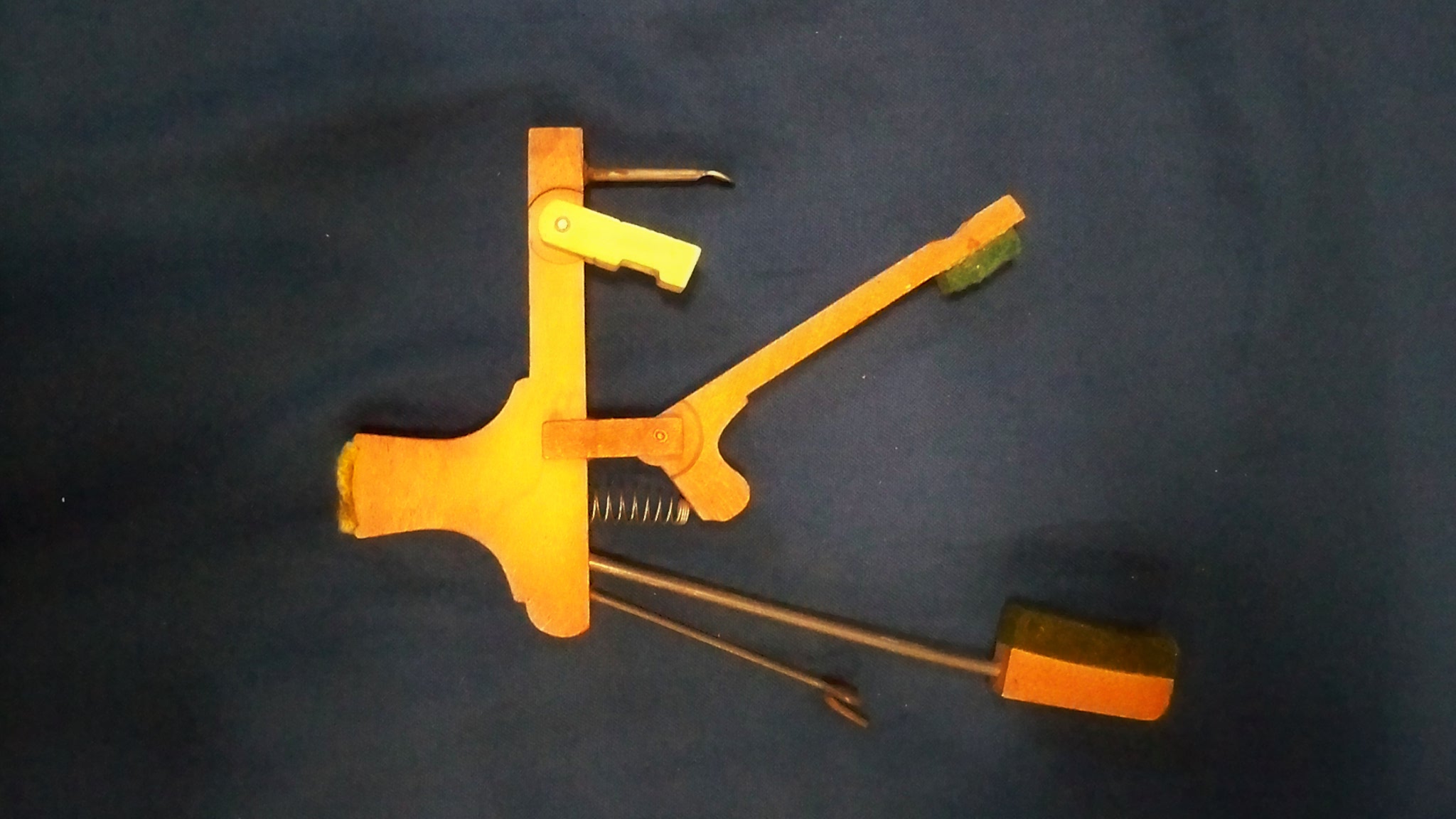
Action – The mechanism comprised of the keys, hammers and all the parts in between, through which a pianist transmits energy to produce music in a piano.
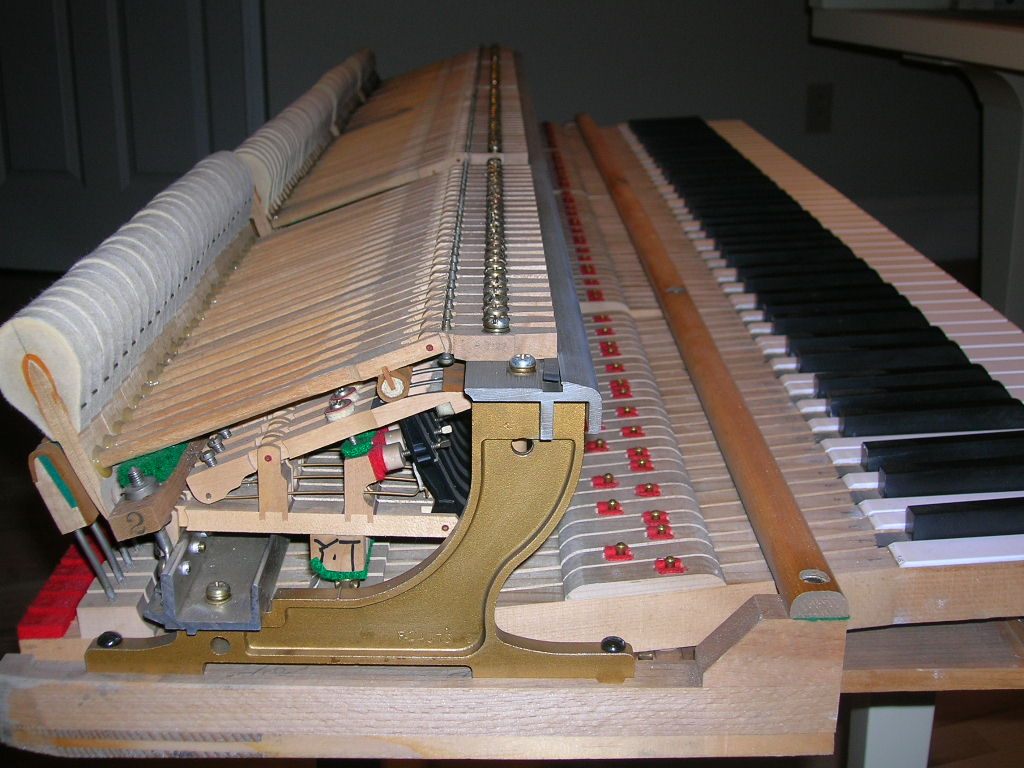
Action regulation – The process of adjusting all the moving parts of the action so that they work within required tolerances.
Back action – Found in grand pianos, but not uprights, this is the damper mechanism, also called the “underlevers”.
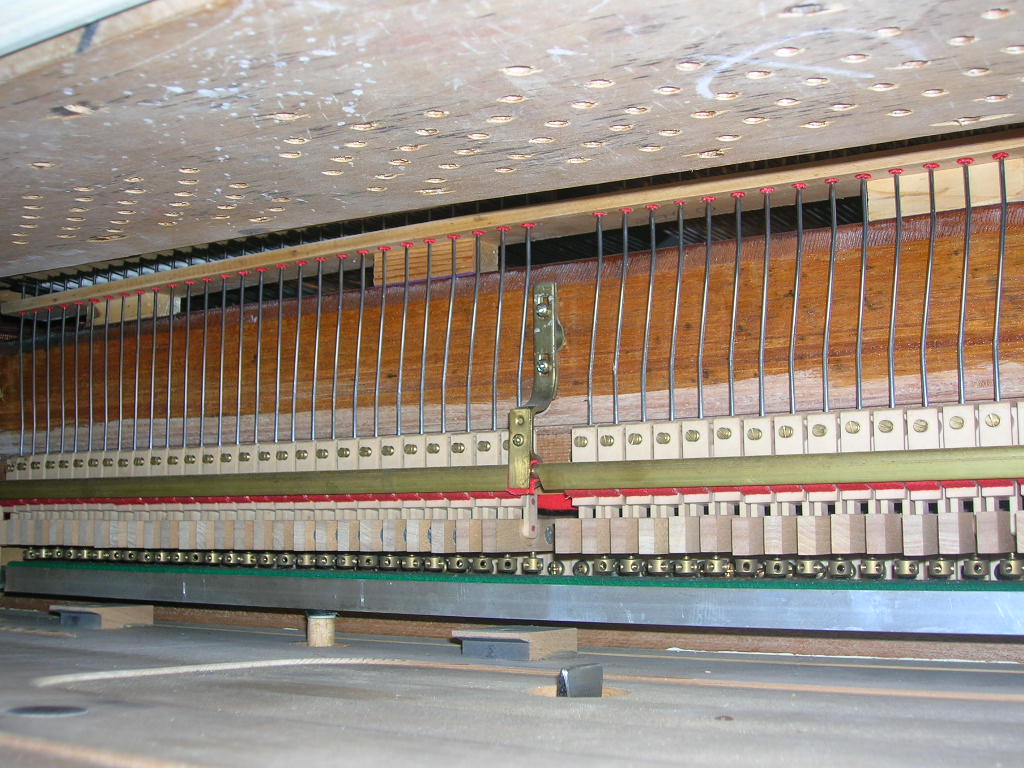
Back check – Action part that determines how far the hammer rebounds off the strings.
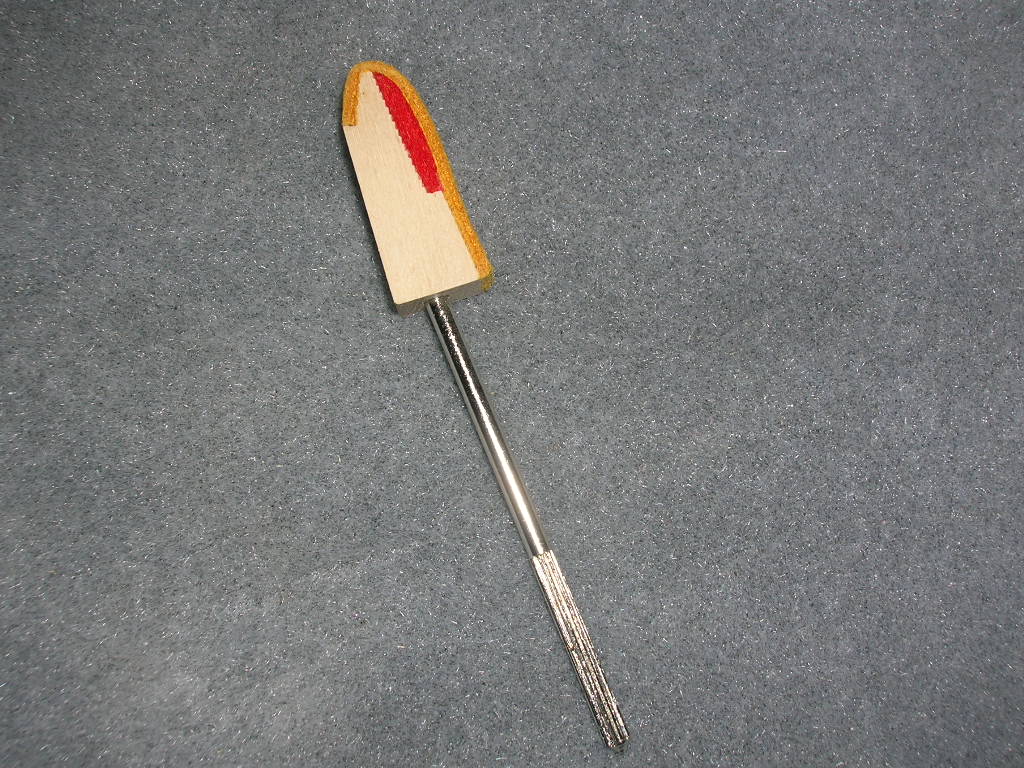
Balance rail – Part of the key frame on which the keys pivot.
Bass string – Found in the lower registers of the piano, bass strings are comprised of a steel core wire that is wrapped with one or two layers of copper wire.
Bridge – Wood rail attached to the sound board that transmits vibrations from the strings to the sound board.
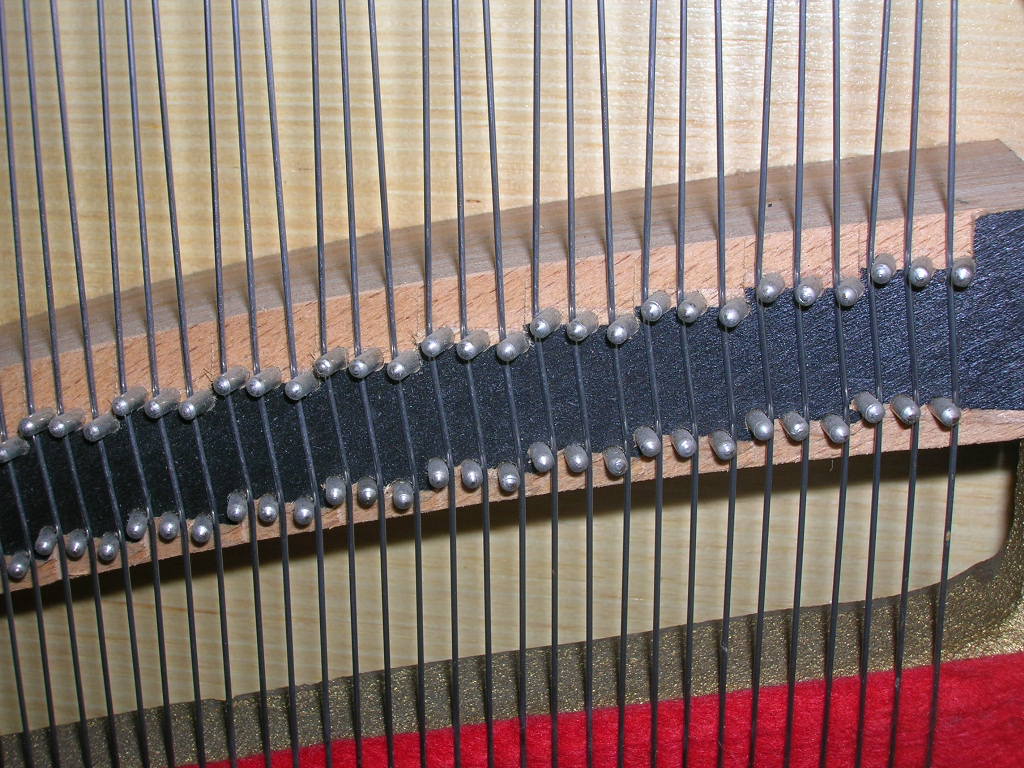
Bridge pin – Pin embedded in the bridge which guides the path of a string over the bridge.
Bridle strap – Cloth strap that holds the wippen in place so that the action can be removed and replaced without the jack dropping out of place and getting jammed. Found only in uprights.
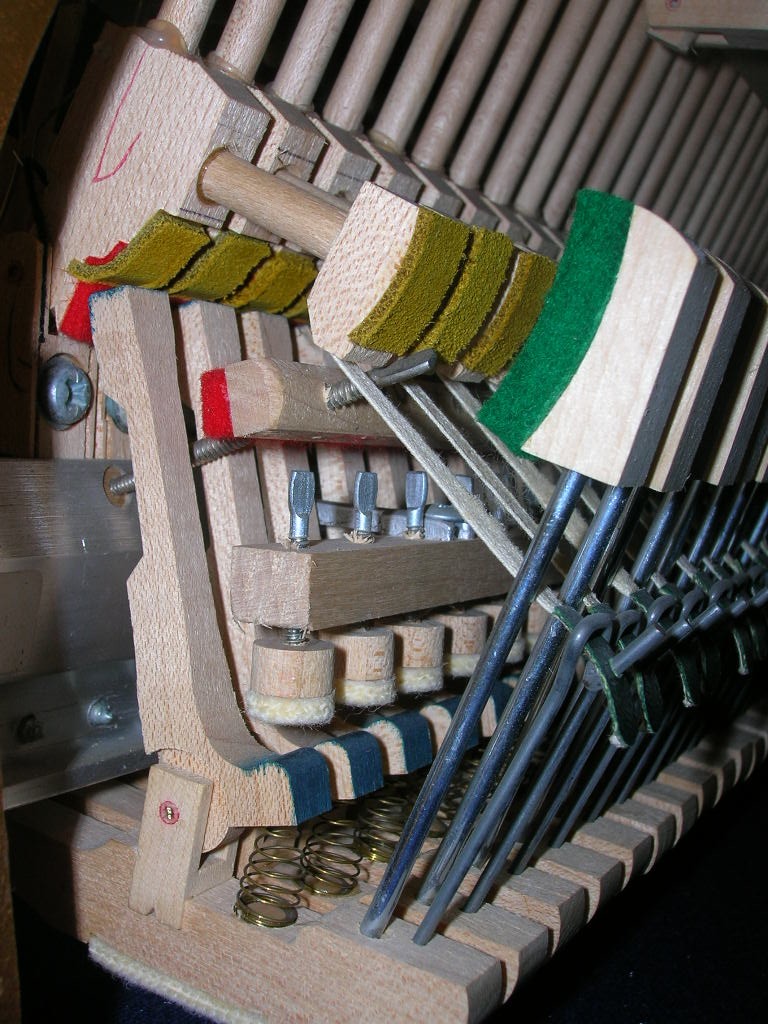
Capstan – Screw that is mounted on the back of a key that regulates the amount of lost motion (play) in the action.
Center pin – Metal pin, usually made of bass, around which moving parts pivot.
Damper – Part of the action that stops the vibrations of the strings.
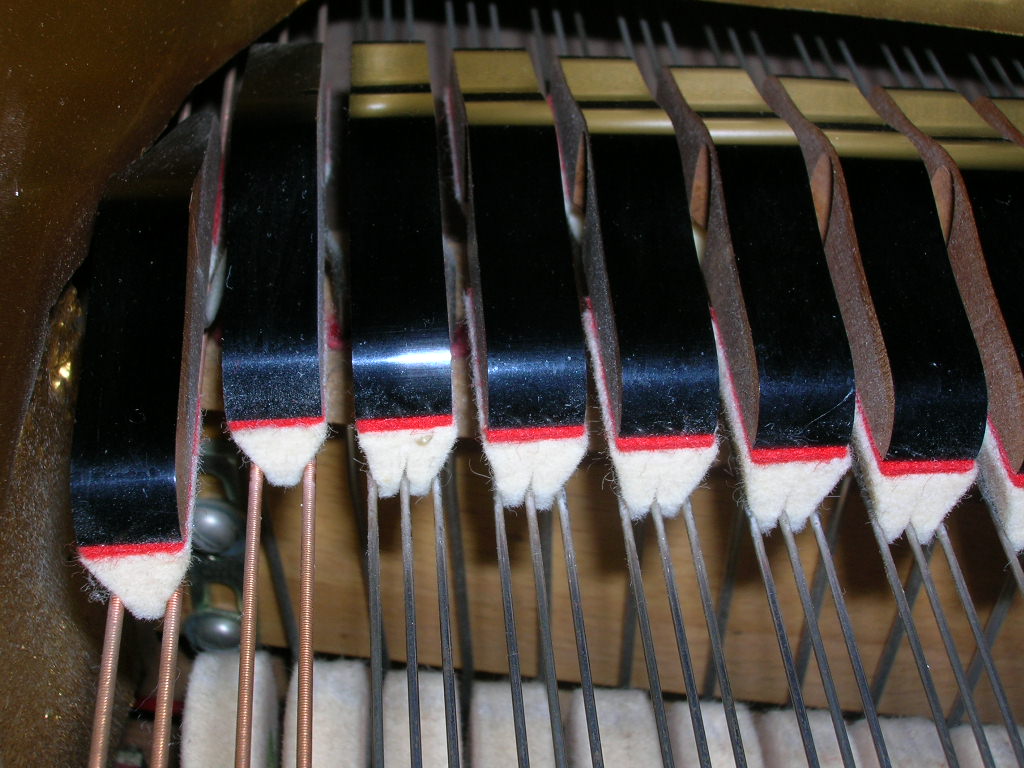
Damper head – Comprised of the damper felt and the wood molding on which it is glued.
Damper lever – Found in uprights, this lifts the damper felt off the string.
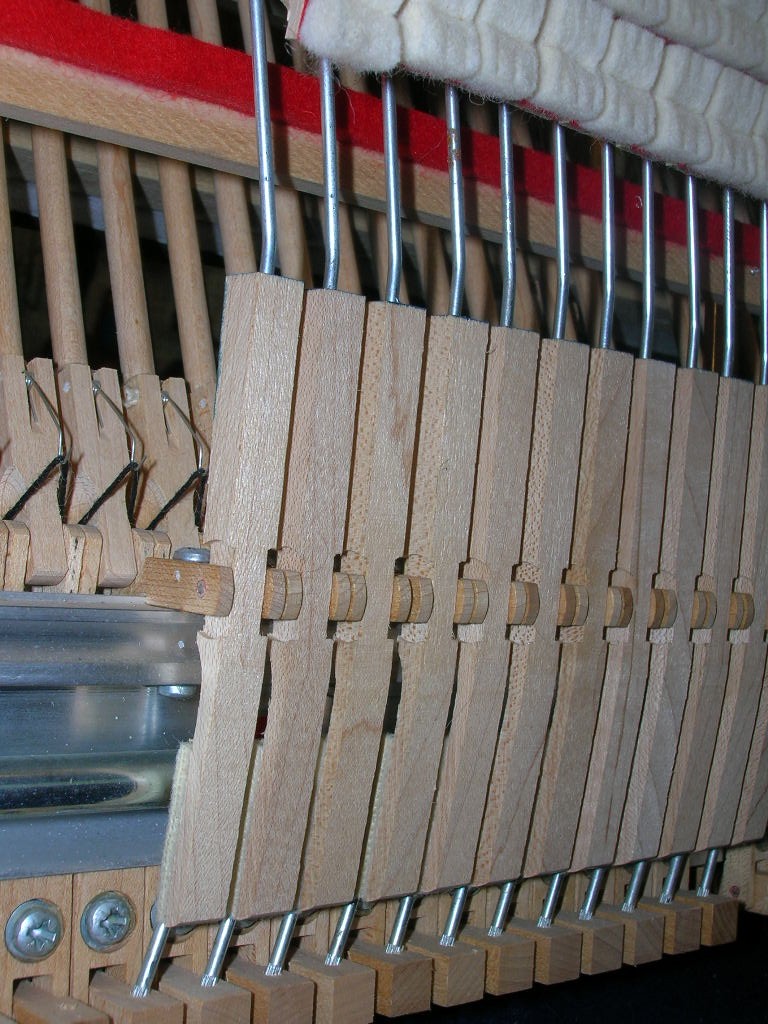
Drop action – Type of action found in spinets where most of the mechanism is recessed below the keys. Also called an “indirect blow” action.
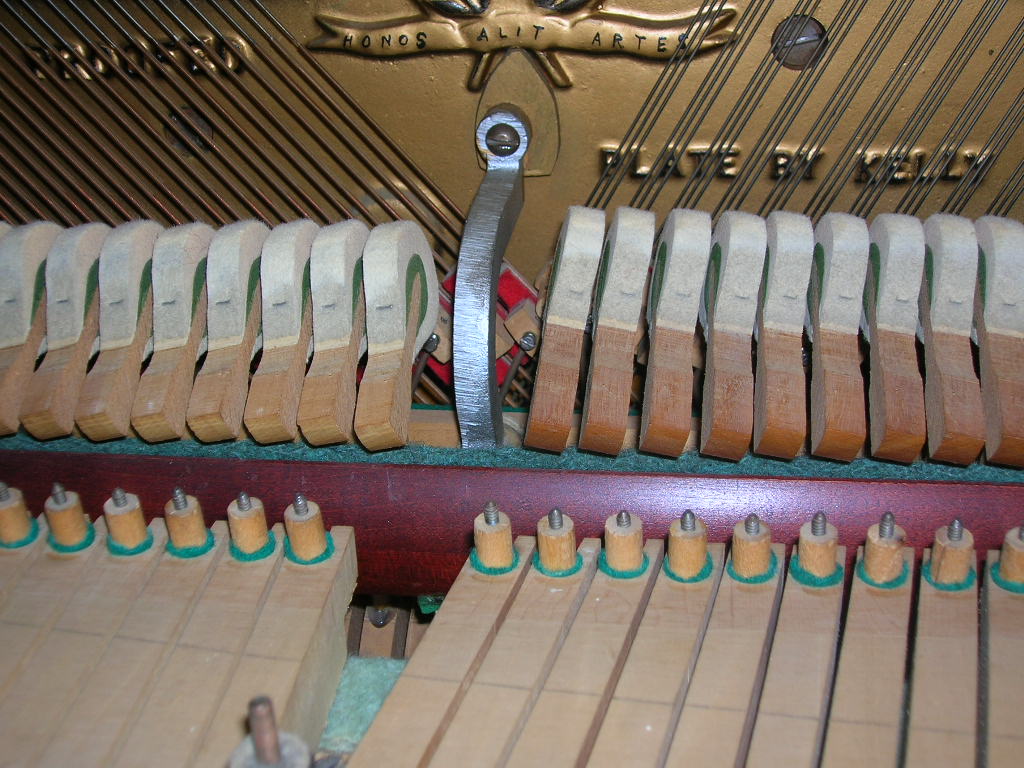
Elbow – Part of the spinet action that, along with a long rod, connects the key to the rest of the mechanism.
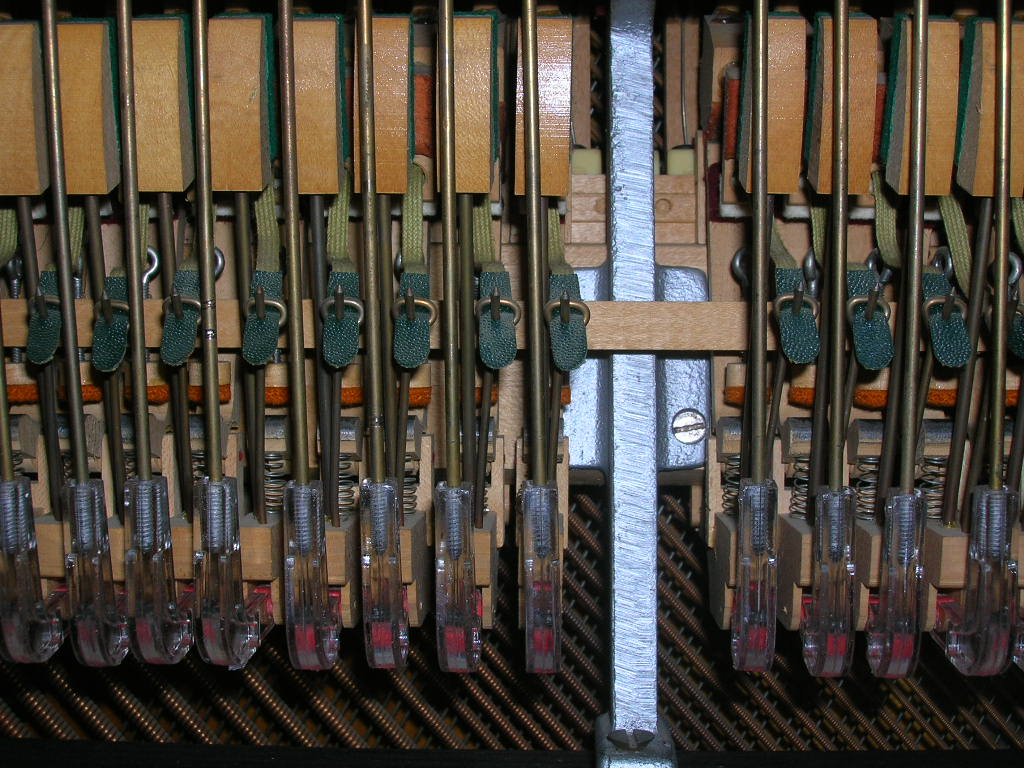
False beats – A phenomenon that can occur in a string that can make it seem that the string is “out of tune” with itself. Rather than producing a clean tone, the sound wavers as if two separate strings are producing slightly different frequencies. This can happen because of defects in the string or because the string is not anchored at its termination points. Commonly, this happens when a string is not firmly “seated” on the bridge or when bridge pins are not secure.
Flange – Action part that connects a moving part to another, usually fixed, part.
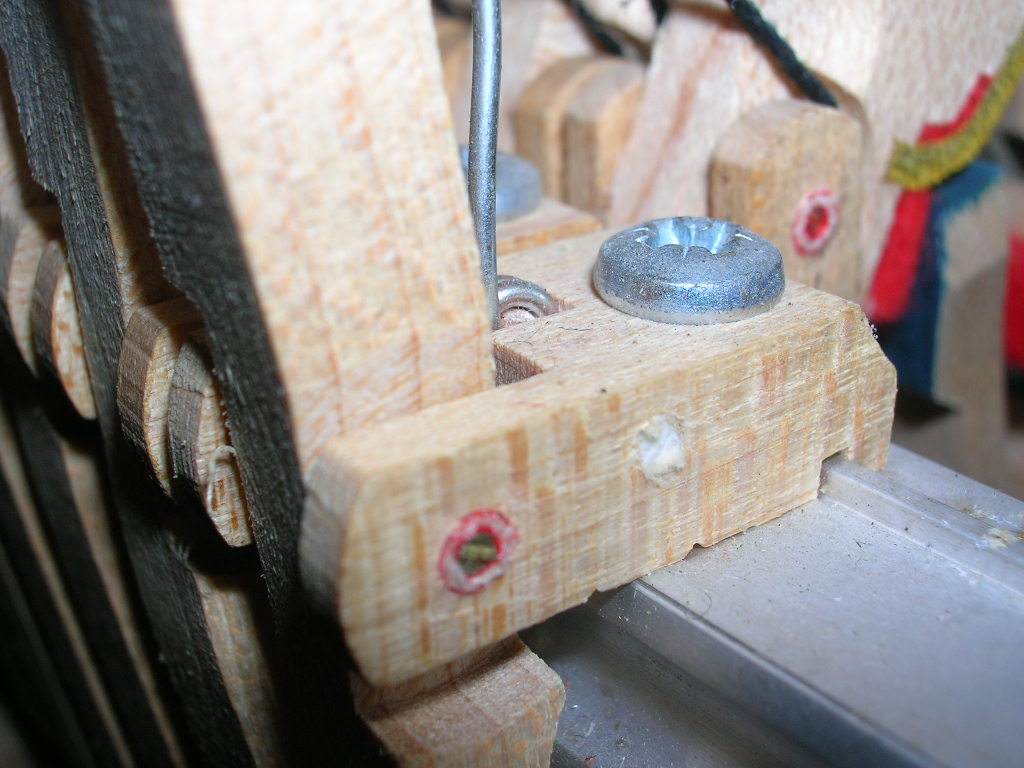
Front rail – Part of the action frame that holds the guide pins for the front of the key.
Grand piano – Piano with construction such that the sound board and strings are horizontal.
Hammer – Component that strikes the strings. Consists of firm felt glued to a wood molding.
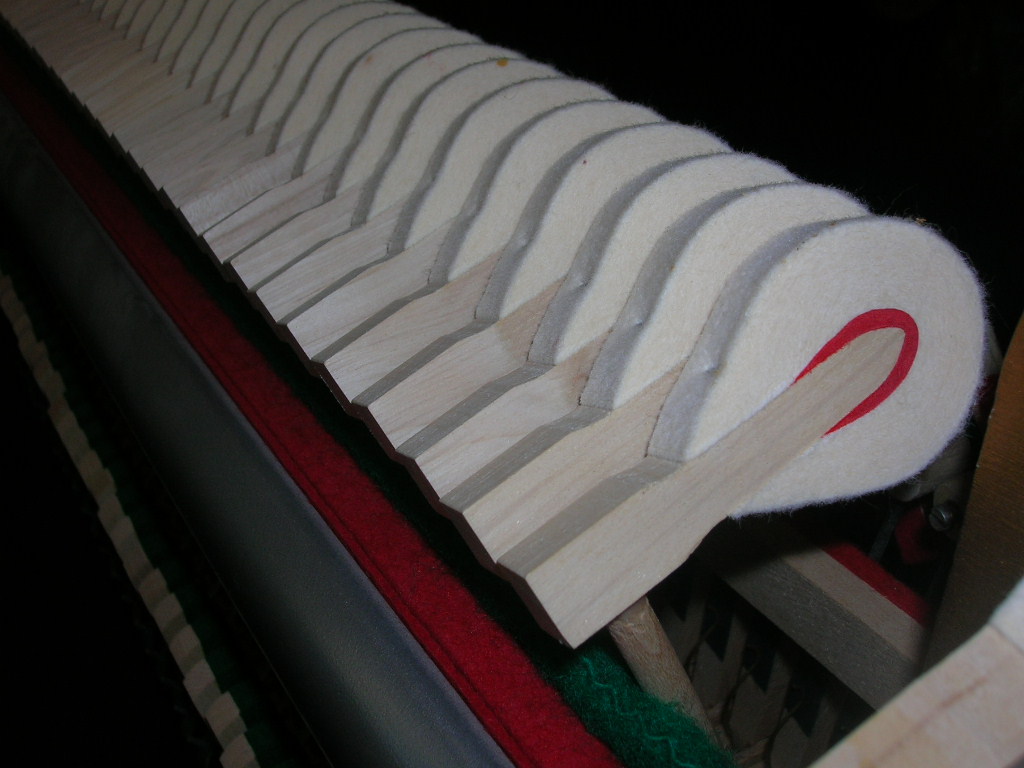
Hammer butt – Part in an upright action in which the hammer shank is embedded. A part called the “jack” pushes on the bottom of the hammer butt to rotate the hammer towards the strings.
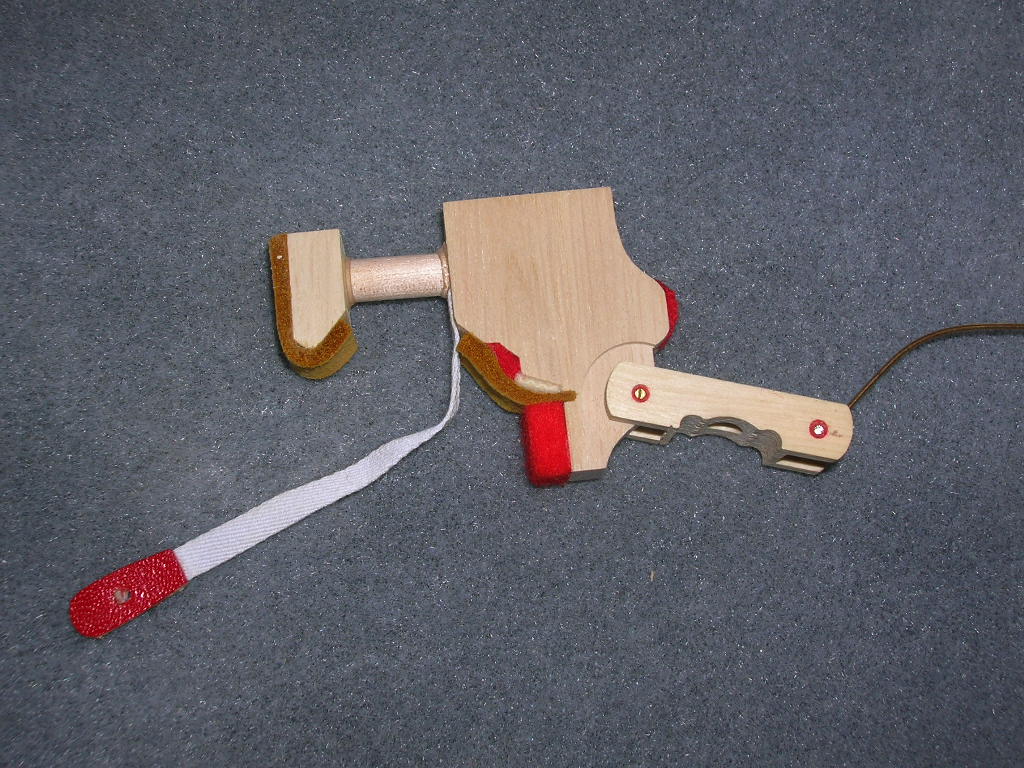
Hammer rail – Bar on which the hammer shanks (grands) or the hammer butts (uprights) are mounted.
Hammer shank – Dowel rod on which the hammer is glued.
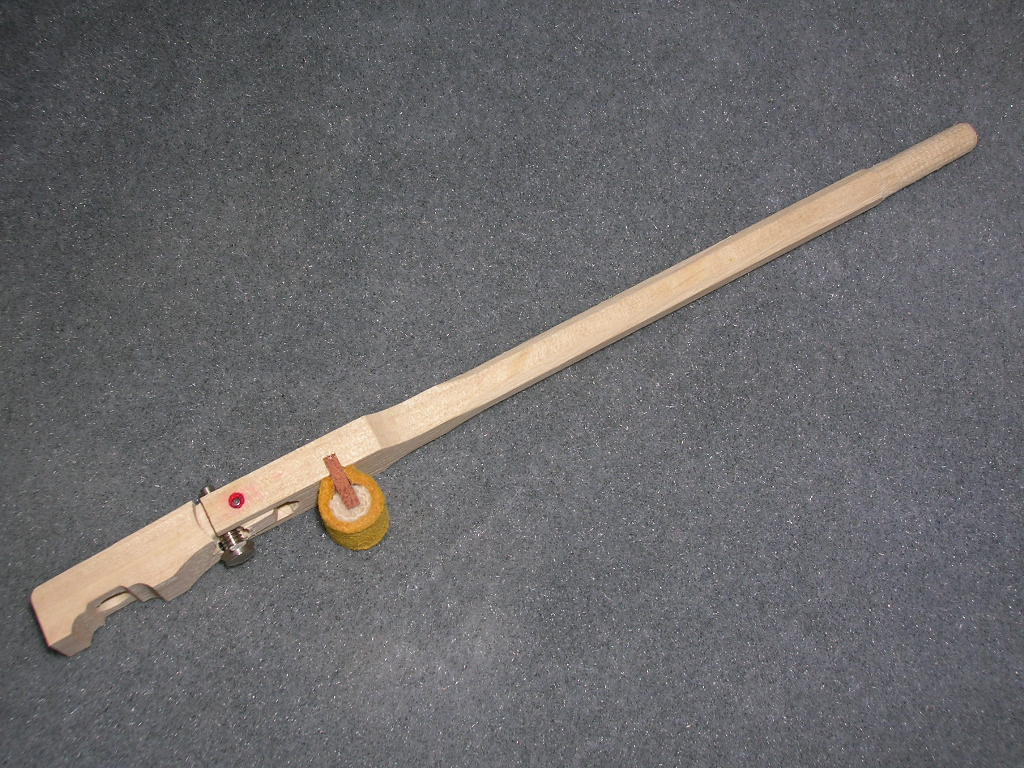
Hitch pin – Pin embedded in the plate which holds one end of a string.
Indirect blow action – See “drop action”.
Jack – “L” shaped part of the wippen (in both grands and uprights) that lifts the hammer toward the string and then allows it to be released before the hammer strikes the string.
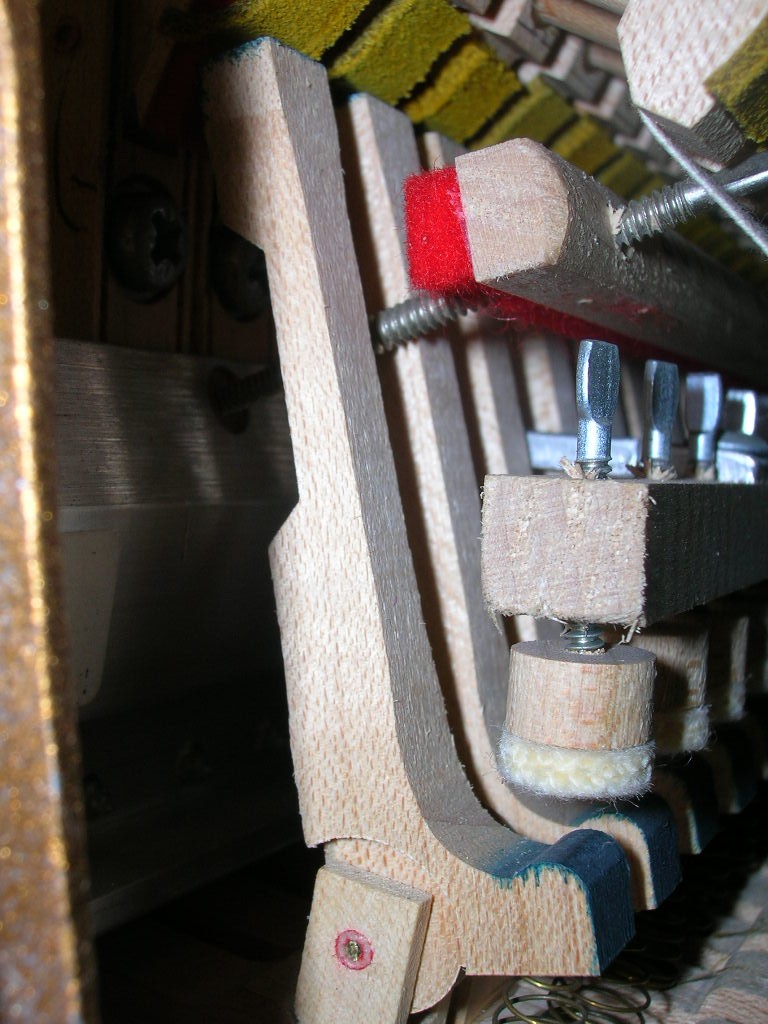
Key – Wooden lever that allows a pianist to activate the action. The front end of the naturals (white keys) are usually covered with either ivory (in older pianos) or plastic. Sharps (black keys) are made of either plastic or wood. Ebony is often found on higher end pianos. Some older pianos used another hardwood painted with a black shellac.
Key bed – The part of the piano’s cabinet which service as the foundation for the action.
Key bushing – The dense felt cloth which lines mortises through which pins guide the movement of the key.
Key frame – The wooden frame on which the keys are placed.
Key pin – Metal guide pins which are embedded in the key frame. Balance rail pins guide the key at its pivot point. Front rail pins guide the front of the key.
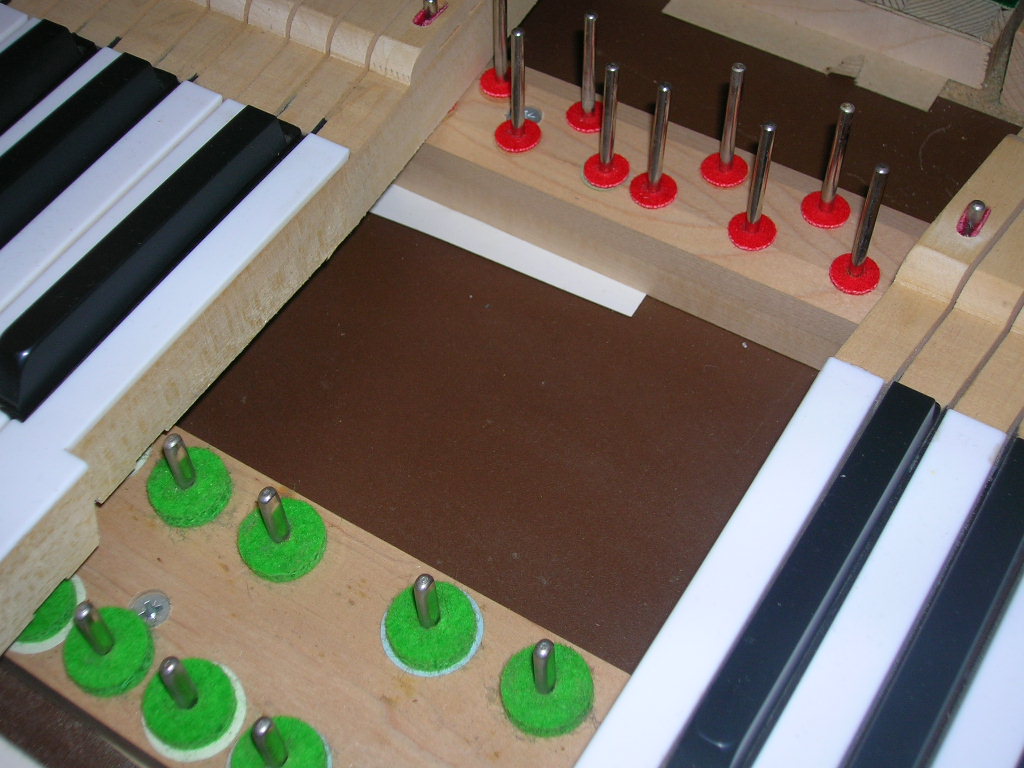
Knuckle – Part of the hammer shank in a grand action. The jack pushes on the knuckle through a slot in the repetition lever, sending the hammer towards the string.
Let-off button – The point of adjustment for determining when the hammer is released by the jack before it strikes the strings.
Let-off rail – Bar that holds the “let-off” buttons.
Lost motion – The amount of “play” in the action. Lost motion is adjusted by a capstan on the back of each key.
Music wire – Wire of varying gauges of diameter which is used for the tenor and treble sections of the piano. Made of high grade spring steel, it is also used as the core for bass strings which are also wrapped with copper wire.
Pedal lyre – Usually found only in grand pianos, this is an encasement in which the pedals are mounted and connected to the piano.
Pin block – Also called a “wrest plank”, this is a wooden block into which the tuning pins are installed. Traditionally, in quality pianos, it consists of five layers of quarter sawn (vertical grain) hard maple. Other designs, such as blocks consisting of dozens of thin veneer (often beech), are common today as well as “hybrid” pin blocks which have two or three quarter sawn inner layers sandwiched by veneer layers. During construction of the piano, holes for the tuning pins are drilled in the pin block and the pins are then hammered to an appropriate depth. The pin block contributes to the structual integrity of the instrument.
Pitch adjustment – A rough tuning during which the overall tension of the piano is either raised or lowered. Usually, this is done to bring the piano close to standard pitch so that a fine tuning can be accomplished.
Plate – Metal frame, traditionally made of cast iron, that supports much of the tension from the strings. Usually painted bronze, it is sometimes called the “harp”.
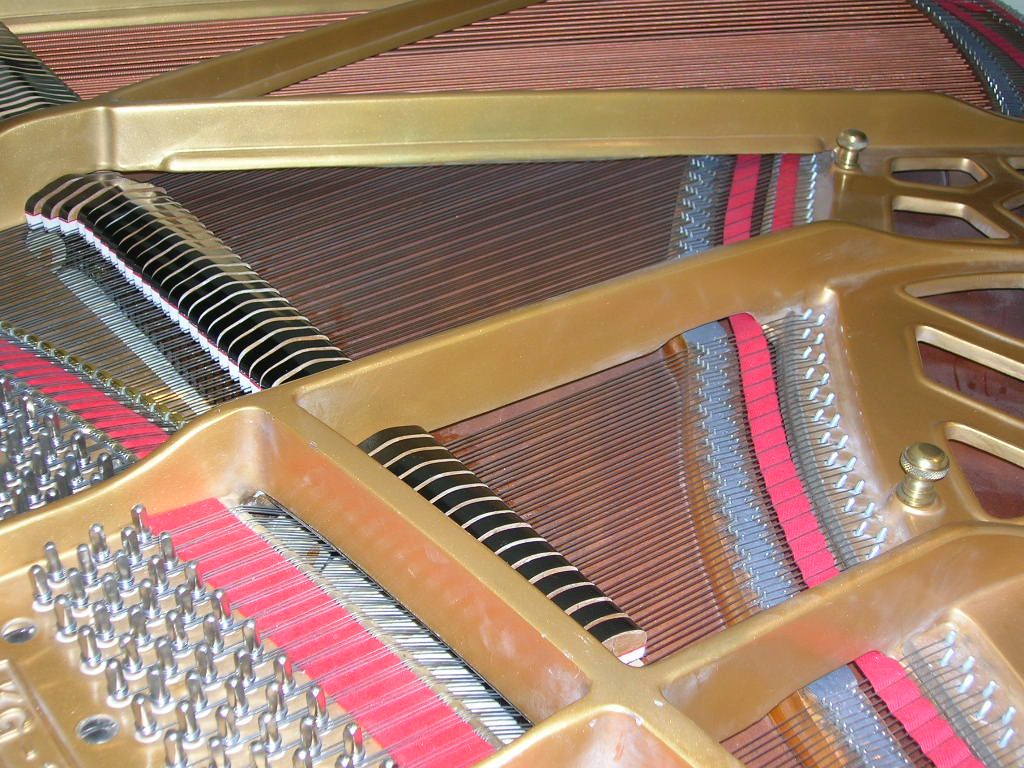
Punching – Anyone of a number of cloth or paper parts which are used in setting the tolerances for action regulation. May be made of paper, cardboard, felt, or leather, depending upon the purpose for which it is used.
Rail – A bar made of wood or metal on which action parts are mounted.
Rebuilding – The process of disassembling a piano and reassembling it with new parts.
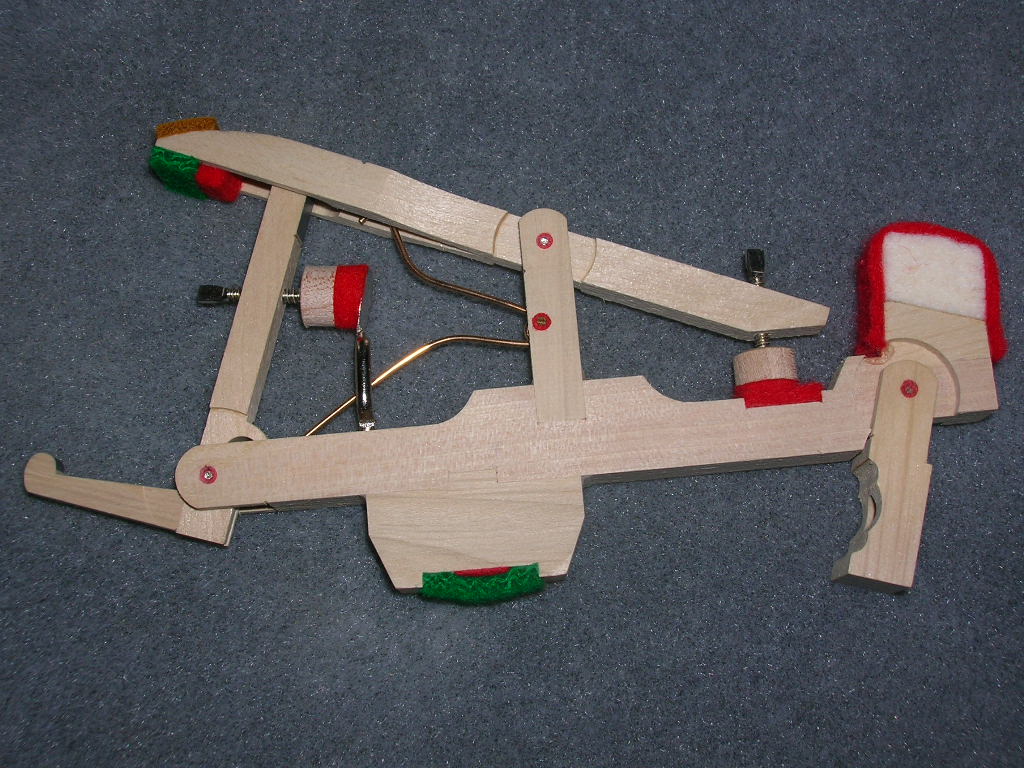
- The part of the action mechanism which allows a note to be repeated. Commonly called the “wippen”.
- The rate at which a given note can be repeated.
Repetition lever – Found only in grands, this allows a note to be repeated without requiring a key to return to the full height of its resting position. The repetition lever allows the jack to get under the knuckle of the hammer shank when the key is only partially released so that a note can be played again faster and with more nuance. An upright action, lacking a repetition lever requires the key to return nearly to its resting position before the jack can get into position to play the note again.
Restoration – A process of careful repair using original parts as much as possible to return a piano to its original state.
Scale design – The string pattern for a piano. This determines the lengths and thicknesses of the strings for every note in a piano. From the lowest note to the highest, strings go from being long and thick to short and thin.
Soft pedal – The far left pedal. In most grands, the soft pedal shifts the action sideways, thereby causing the hammers to strike one fewer string on each note (except in the low bass where there is only one string to begin with), thus producing less volume. In a few grands and most uprights, the pedal lifts the hammers closer to the strings, thus reducing the momentum with which they strike the strings.
Sound board – Traditionally made from quarter sawn spruce, the sound board amplifies the vibrations from the strings as they are transmitted through the bridge.
Sostenuto pedal – Found in most better quality grands and only rarely in uprights, this is the middle pedal that sustains only notes for which keys are already depressed prior to the depression of the pedal. When used, all other notes can be played without being sustained. The sostenuto mechanism lifts only the dampers for the prescribed chord while all ‘unplayed’ notes are still dampened. This is different from the right pedal, called the “sustain pedal”, which lifts all the dampers at the same time.
Sustain pedal – Always the right-most pedal, this lifts all the dampers off the strings at the same time.
Trapwork – System of levers that connects the pedals to the dampers, sostenuto and soft pedal mechanisms.
Tuning – Process of adjusting the tension of the strings to change their pitches. This is accomplished by turning the tuning pins with a “tuning hammer”.
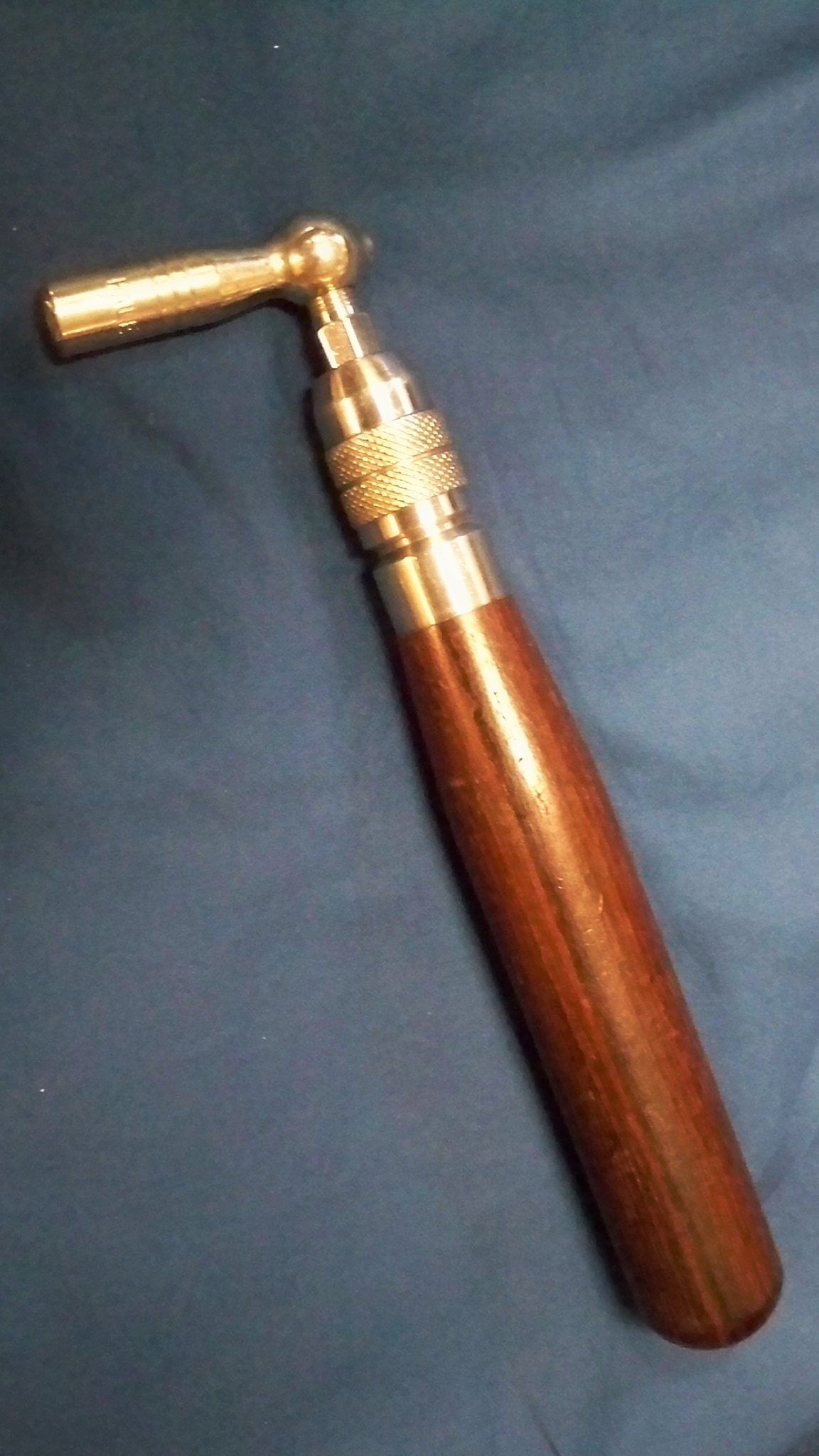
Tuning hammer – Technically, a lever, the tuning hammer is the tool that a tuner uses to manipulate tuning pins.
Tuning pin – The point of adjustment for each string. This is a metal pin with fine threads which is hammered into the pin block. On the exposed end, the string is inserted into a hole and wrapped around the pin three or four times.
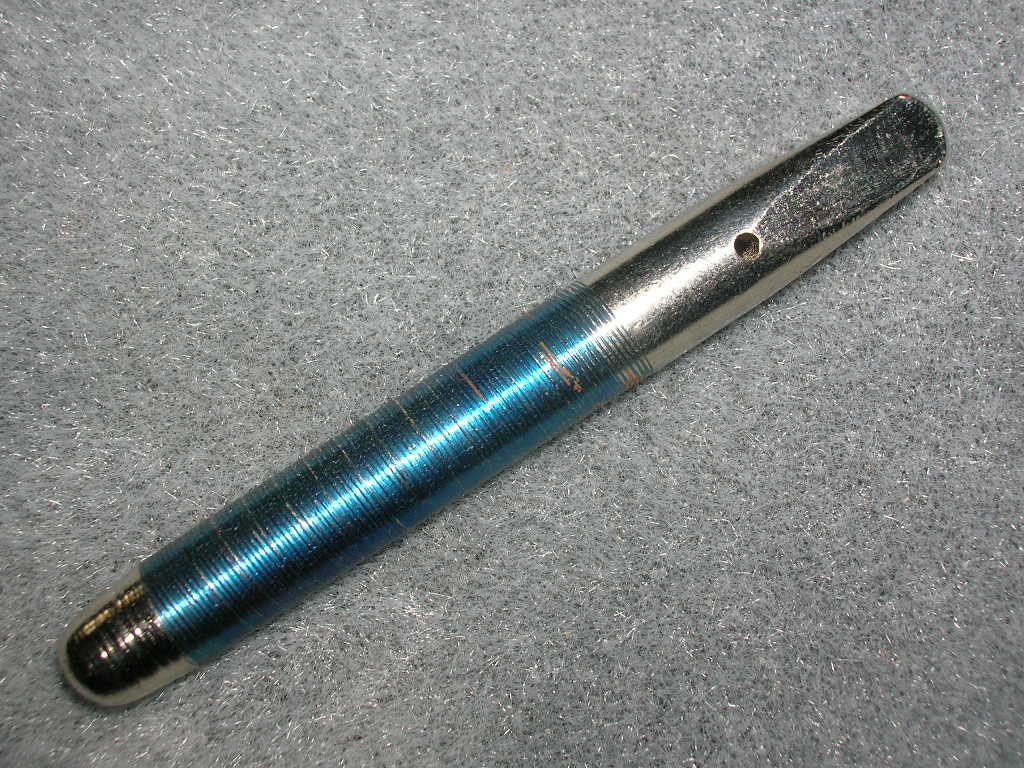
Underlevers – See “back action”.
Upright piano – Piano that has strings and sound board oriented vertically. Note the four main types:
- Full size – over 48” tall
- Studio – 44-48”
- Console – 40-43”
- Spinet – Generally under 40”, spinets have a “drop action” which is recessed below the keys.
Vertical piano – See “upright”.
Voicing –
- Hammer voicing – Process of manipulating the density of the hammer felt to change to tone quality of the piano.
- String voicing – Process of adjusting the string level so that the strings of a given note are in the same plane. This ensures that the hammer strikes the strings evenly and at the same time. The strings are also “seated” on the bridge to ensure solid contact. This helps to minimize false beats.
Wippen – Also called the “repetition”, this is the part of the action that allows a note to be played more than once.